
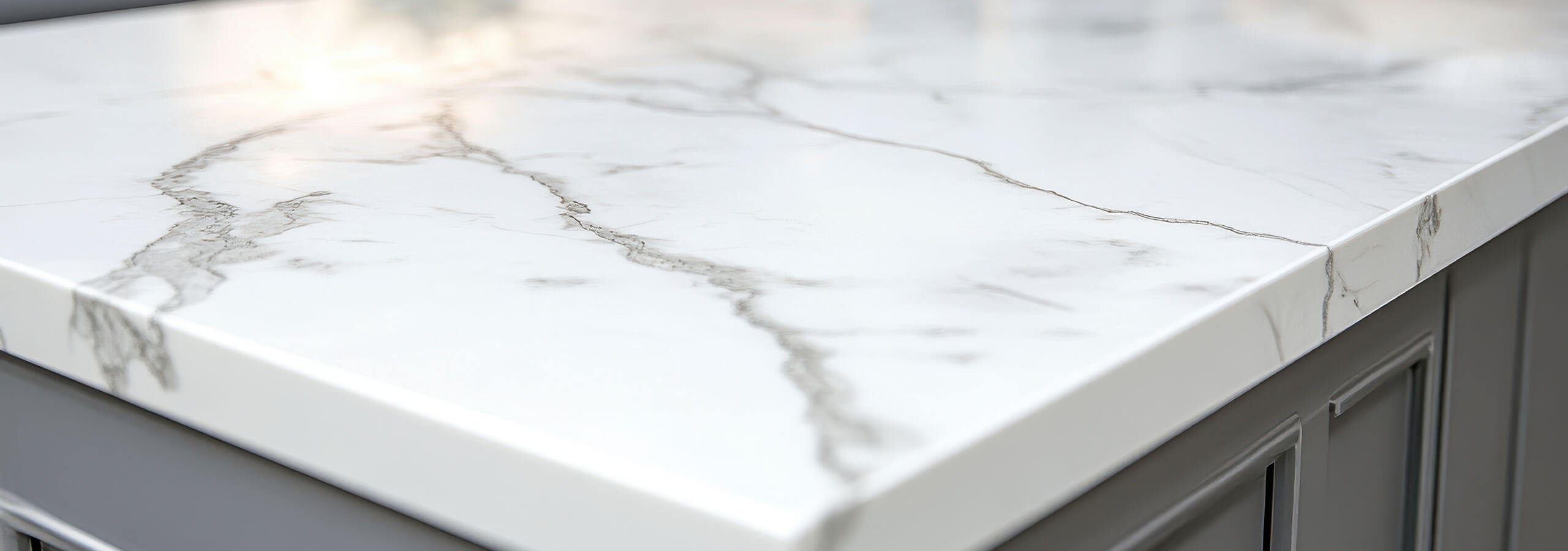
Countertops
Local countertops pros serving Sioux Falls and the surrounding areaFeatured Pros

At Creative Surfaces we have created a countertop showroom. Our visual display allows our customers to see what's new and exciting in this ever-changing…
FAQs
Frequently Asked Questions
Quartz is popular for busy kitchens because it is nonporous, resists stains, and does not need sealing. Granite offers natural character and good heat resistance but should be sealed periodically. Solid surface, laminate, butcher block, and porcelain slabs are also options depending on budget and style. A fabricator can show samples and explain how each holds up to daily use.
Countertop pricing depends on the material, slab grade, square footage, edge profile, number of cutouts for sinks and cooktops, and whether old tops must be removed. Natural stone and quartz generally cost more than laminate or solid surface. An in-home measurement and itemized quote give you the clearest picture. The pros listed on this page can walk you through options.
For stone or quartz, the process usually starts with a precise template once cabinets are installed, followed by fabrication that commonly takes one to a few weeks. Installation itself is often completed in a single day. Laminate or prefabricated tops can move faster. Ask your fabricator for a timeline, especially during busy seasons.
Quartz countertops are engineered from crushed quartz bound with resins, giving consistent color and low maintenance. Quartzite is a natural stone formed under heat and pressure, prized for its veining and hardness. Quartzite typically needs sealing like other natural stones, while quartz does not. Seeing full slabs in person helps you compare the look and feel.
Most granite benefits from sealing to help resist stains, though some denser stones need it less often. A simple water test helps: if drops darken the stone after a few minutes, it may be time to reseal. Your fabricator can recommend a sealing schedule and products that are safe for the specific stone you choose.
Many fabricators and stone yards let homeowners view and select the specific slab, which is especially helpful with natural stone where color and veining vary. Some will also show you how seams and patterns will be placed before cutting. Ask whether slab selection is part of the process when requesting quotes.
Clear the counters, empty the cabinets beneath, and make room for the crew to carry heavy slabs through your home. Plumbing for sinks and faucets may need to be disconnected and reconnected, so ask who handles that. Have your sink, faucet, and cooktop selected before templating, since exact dimensions affect the cutouts.
Installing over old countertops is generally not recommended for stone or quartz because it adds height, weight, and can cause fit problems with appliances and backsplashes. Removing the old tops lets the installer check that cabinets are level and solid. Some thin overlay products are designed for this, but a professional should confirm whether your situation is a good fit.
Mild soap and warm water work well for most surfaces. Avoid harsh or acidic cleaners on natural stone, which can dull or etch the finish. Use trivets for hot pans and cutting boards for knives, even on durable materials. Ask your installer for care guidelines specific to your material so you keep any warranty coverage in good standing.
Long runs, L-shapes, and islands often require seams because slabs come in limited sizes. A skilled fabricator places seams in less visible spots and matches color and pattern as closely as possible. Darker, uniform materials tend to hide seams better than heavily veined stone. Ask to review a seam layout before fabrication begins.
Local Directory
Countertops · 48 businesses