
Real Estate & Developments
Local real estate & developments pros serving Sioux Falls and the surrounding areaFeatured Pros
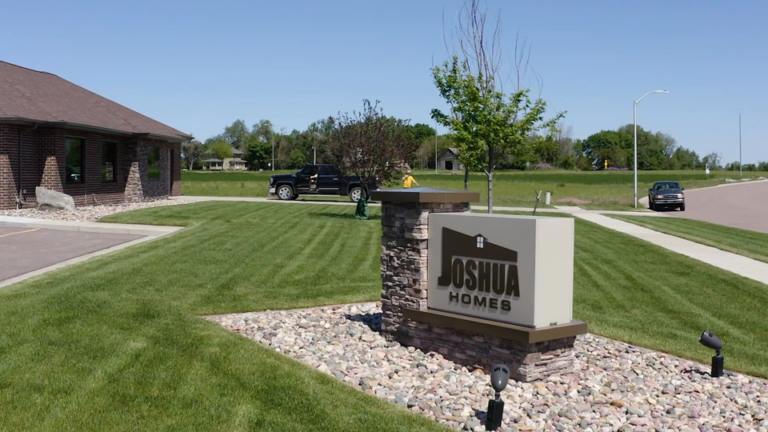
Joshua Homes builds homes primarily in Sioux Falls, SD and North Central Iowa.
FAQs
Frequently Asked Questions
Consider location, commute times, school districts, nearby amenities, and plans for future growth in the area. Ask about lot sizes, home styles offered, and whether the neighborhood has a homeowners association. Driving through at different times of day and talking with current residents can give you a feel for the community before you commit.
Building lets you choose your layout, finishes, and energy features, but it typically takes longer and involves more decisions. Existing homes allow a faster move and are often in established neighborhoods with mature trees. Your budget, timeline, and desired level of customization will guide the choice, and a real estate professional can help you weigh the options.
Timelines vary by builder, home size, and level of customization, but many new homes take several months to a year from start to finish. South Dakota winters can affect excavation, foundations, and exterior work, so many builders aim to get homes enclosed before the coldest months. Ask your builder for a realistic schedule and how weather delays are handled.
Covenants are rules that govern what you can do with your property in a development, such as exterior colors, fencing, landscaping, sheds, and parking. A homeowners association usually enforces them and may collect dues for shared amenities or upkeep. Read the covenants and association documents carefully before buying, and consult a real estate attorney if you have questions.
Having your own agent can help, since the builder's sales staff represents the builder's interests. A buyer's agent can help you compare developments, review contracts, and negotiate upgrades or terms. Ask your agent and the builder upfront how representation and commissions work for new construction so there are no surprises later.
Check zoning, utility access, soil conditions, drainage, and any easements or covenants that may limit what you can build. Some lots require extra site work, such as grading or bringing in water, sewer, or electricity. Contact the city or county planning office and consult a builder, surveyor, or attorney before purchasing.
Upgrades that are hard to change later, such as structural changes, extra outlets, added insulation, larger windows, and plumbing rough-ins, are often worth prioritizing during construction. Cosmetic items like paint colors, light fixtures, and some flooring are easier to update down the road. Think about long-term needs, energy efficiency, and resale when deciding where to spend.
Many builders provide a warranty that covers certain workmanship, materials, and systems for a set period after closing, sometimes with longer coverage for structural items. Terms vary widely, so read the warranty documents carefully and understand how to submit claims. Keep a running list of issues to report during any scheduled walkthroughs before coverage periods end.
Many buyers find it worthwhile. A third-party home inspector can catch construction issues that may have been missed, and some buyers schedule an inspection before drywall goes up as well as before closing. Findings can be added to the builder's punch list so they are addressed while the builder is still on site.
Building often involves a construction loan that converts to a mortgage after completion, while existing homes typically use a standard mortgage. Down payment, rate, and approval requirements can differ between the two. Because every situation is different, talk with a licensed lender about your options early in the process. The pros listed on this page can walk you through options.
Local Directory
Real Estate & Developments · 35 businesses